The therapy landscape is changing quickly. Clients in 2026 are more informed, more digitally confident, and more intentional about their mental health choices than ever before. They are not only looking for emotional support—they are looking for convenience, transparency, trust, and flexibility.
For therapists and clinic owners across Canada, especially in large cities like Toronto, understanding these expectations is no longer optional. It directly affects bookings, retention, and long-term practice growth.
This guide explains what clients expect from a modern therapy practice in 2026, why those expectations exist, and how forward-thinking practices are adapting—without losing the human side of care.
Why Client Expectations Have Changed
Over the past few years, clients have become used to:
- Booking services online
- Managing appointments digitally
- Accessing care from home
- Expecting fast, secure communication
This shift has normalized online therapy as a core part of mental health care online, not a temporary solution. Clients now compare therapy experiences to other professional services they use every day.
If a practice feels outdated or difficult to access, clients move on.
Easy Access to Care (Without Friction)
One of the biggest frustrations clients still report is how hard it can be to get started.
People searching for:
- “Therapists near me”
- “Therapy near me in Toronto”
- “Psychologist near me”
are often already overwhelmed. A complicated intake process can stop them from booking altogether.
What Clients Expect
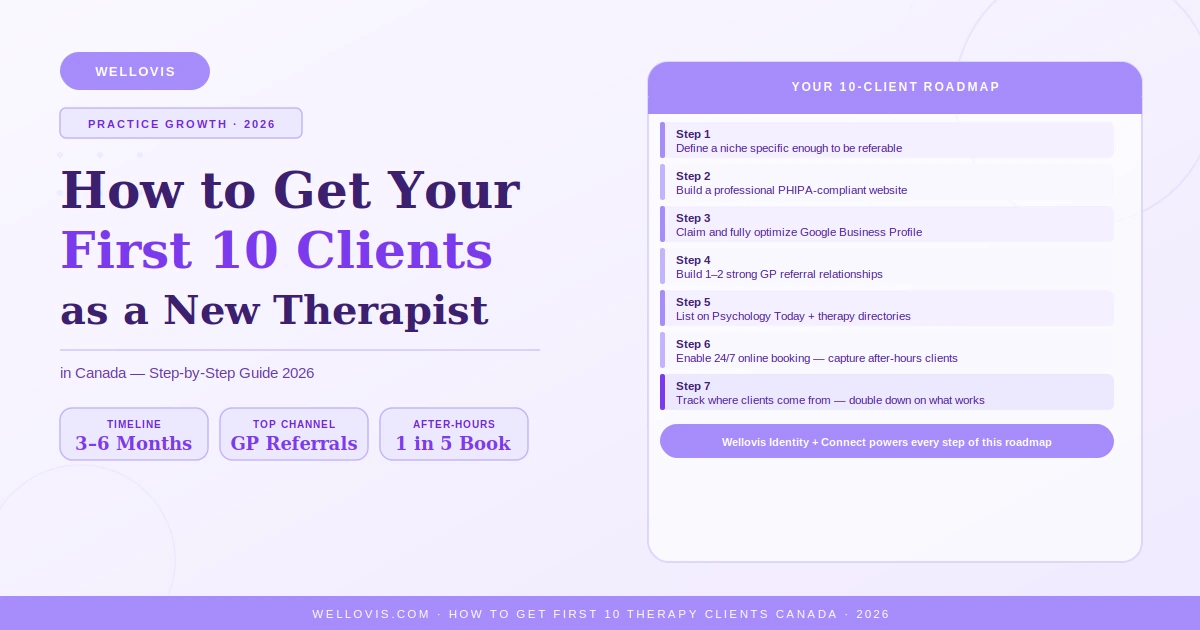
- Simple therapy appointment booking
- Clear availability (including evenings or weekends)
- Fast confirmation and reminders
Modern practices use digital intake forms and online scheduling so clients can take the first step without anxiety.
Online Therapy as a Standard Option
By 2026, online therapy is no longer seen as a backup—it is an expectation.
Clients value:
- Flexibility
- Privacy
- Time saved on commuting
- Access to specialists beyond their immediate area
Many clients actively search for online counseling services or virtual therapy sessions, especially working professionals, parents, and students.
What This Means for Practices
- Offer teletherapy alongside in-person care
- Ensure video sessions are stable and secure
- Communicate clearly about how online sessions work
A hybrid therapy model (online + in-person) gives clients choice, which builds trust.
Strong Privacy and Secure Communication
Mental health care online must feel safe. Clients are more privacy-aware than ever.
They expect:
- Secure therapy communication
- Confidential messaging
- Protected video sessions
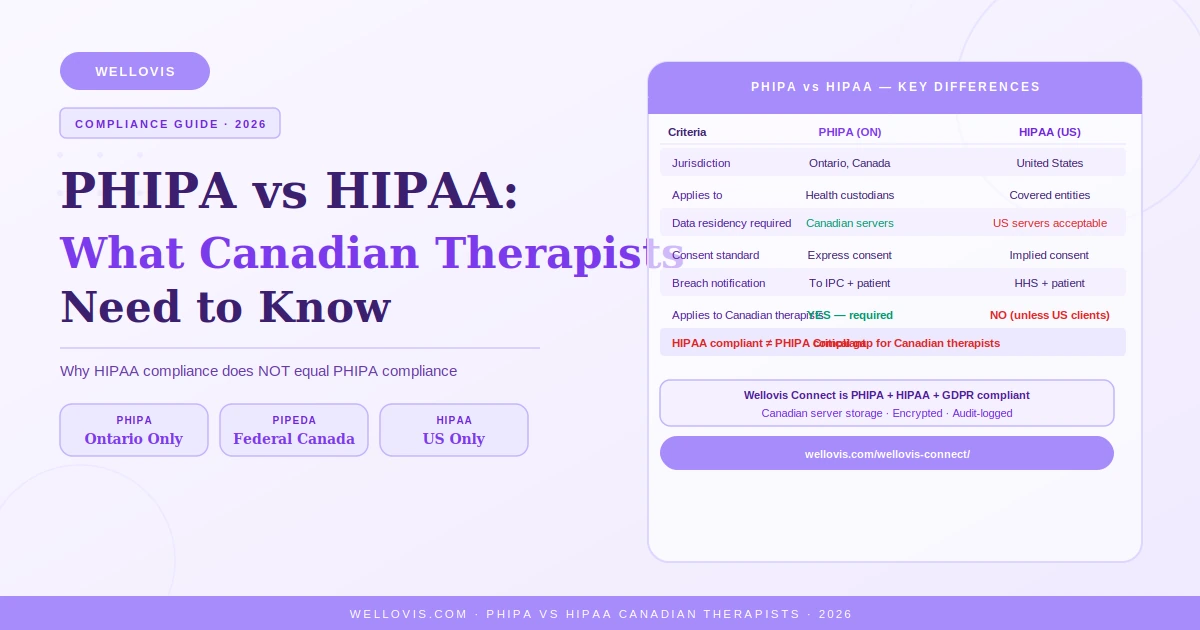
- Clear consent and privacy policies
A modern therapy practice uses a secure online therapy platform, not personal email or unsecured tools.
This is especially important for clients seeking couples therapy or trauma-informed care.
Transparency Around Services and Pricing
Clients in 2026 expect clarity before committing.
They want to know:
- What type of therapy is offered
- Who the therapist is and their credentials
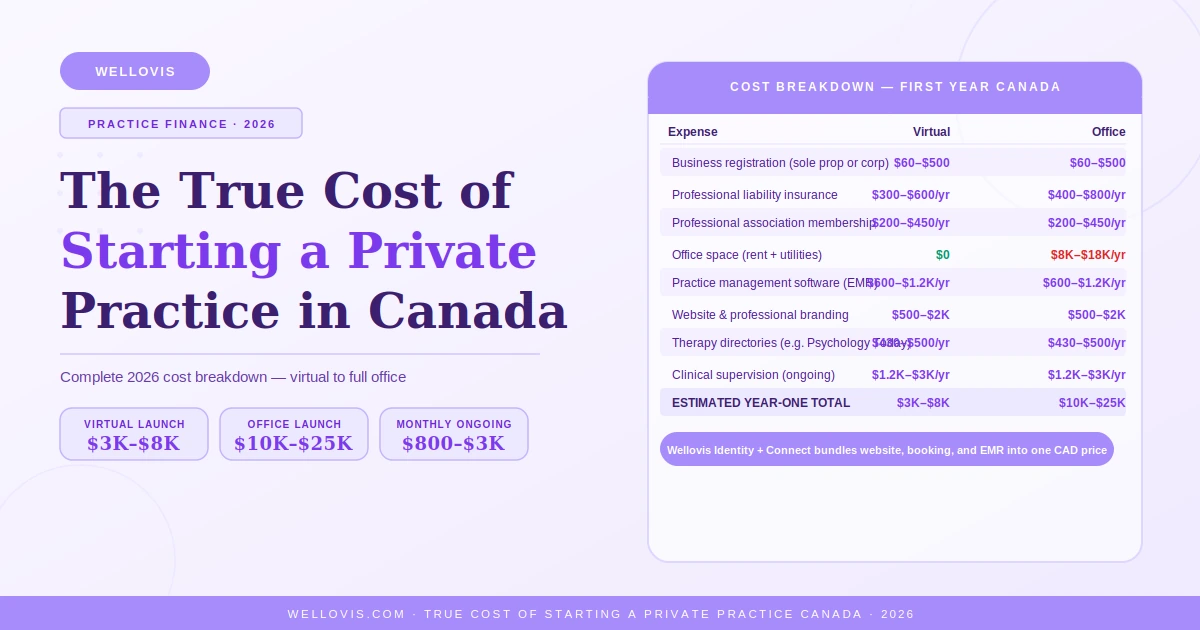
- Session fees and insurance options
- What happens after the first session
When people search “find a therapist,” they are comparing multiple options. Transparency reduces hesitation and builds confidence.
A Professional, Human Online Presence
Clients judge credibility quickly.
Before booking, they are often:
- Read therapist bios
- Scan websites for tone and clarity
- Look for signs of professionalism
A modern therapy practice balances warmth with structure. Clean design, clear language, and accessible information matter.
This is where platforms like Wellovis support therapists by enabling organized client portals, consistent workflows, and a professional digital experience—without removing the human connection.
Continuity of Care Between Sessions
Clients do not see therapy as limited to the 50-minute session anymore.
They value:
- Session summaries or notes
- Follow-up resources
- Secure messaging for quick check-ins
- Progress tracking
A client portal for therapy allows clients to feel supported between sessions while maintaining healthy boundaries.
Specialized and Relevant Care
Clients increasingly look for therapists who understand their specific needs.
Searches such as:
- “mental health therapist”
- “couples therapy”
- “therapist Toronto”
show intent. Clients want to feel understood, not generalized.
Modern practices clearly communicate:
- Areas of focus
- Modalities used
- Who the therapy is best suited for
Technology That Supports, Not Replaces, Care
Clients want technology to remove stress—not add to it.
They expect:
- Smooth telehealth services
- Minimal technical issues
- Easy access across devices
Technology should feel invisible. When done right, online therapy enhances connection instead of distracting from it.
How These Expectations Impact Therapists in Canada
For therapists across Canada, especially those serving urban areas like Toronto, adapting to these expectations is about sustainability.
Practices that evolve:
- Attract better-fit clients
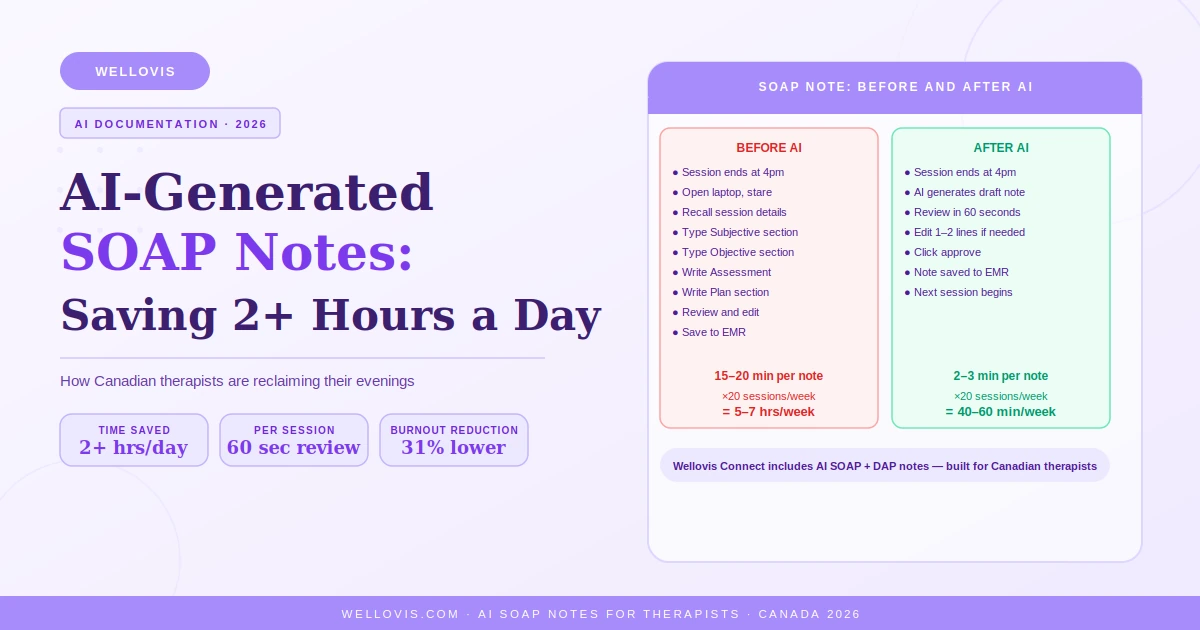
- Reduce administrative stress
- Improve retention and outcomes
Those that do not risk falling behind—even if their clinical skills are strong.
FAQs
Is online therapy as effective as in-person therapy?
Yes. Research and client outcomes show that online therapy can be just as effective for many concerns when delivered by a licensed professional.
Do clients still want in-person sessions?
Many do. That is why a hybrid therapy model works best—clients choose what fits their needs.
Why do clients prefer digital booking?
It reduces anxiety, saves time, and allows clients to book when they feel ready.
How do clients find therapists in 2026?
Most start with searches like “therapists near me” or “therapy near me in Toronto,” then compare websites, availability, and approach.
How does Wellovis support modern therapy practices?
Wellovis helps therapists deliver secure, organized, and client-friendly care through tools designed for modern mental health care online.